
Feel Respected as Aviation Enthusiast in Avia Fly game for UK
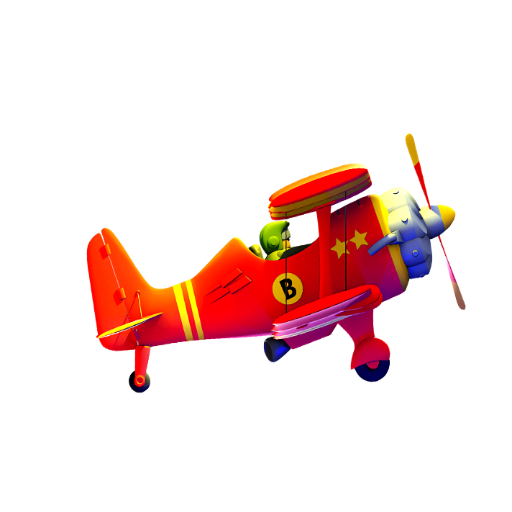
What makes Avia Fly apart in flight simulation is its dedication to treating gamers with true respect flytakeair.com. The team behind the game treats players as dedicated, intelligent people who desire a real challenge. You see this in every detail, from the carefully modeled physics to the intricate aircraft systems. The game doesn’t view you as a passive customer. It views you as a pilot. It trusts you to learn its systems, master its skies, and earn your success through skill and effort.
A Foundation Built on Genuine Flight Simulation
Appreciation starts with understanding the basics right. Avia Fly is built on a base of real flight. Its aerodynamic models are precise, so each aircraft behaves as it should to your controls, to the weather, and to its own weight. Handling systems isn’t about clicking a single button. It needs planning and comprehension. This depth isn’t there to frustrate you. It’s there because the developers honor your wish for a simulation that compensates the time you put into it.
That same dedication goes into the world itself. Dynamic weather creates real problems you have to solve, like contending with a crosswind on final approach or spotting the runway through dense fog. The terrain is intricate, giving you dependable visual markers and exact altitude readings. This commitment to a believable world creates a consistent, immersive environment. You feel appreciated because the world follows rules that make sense. Advancing is about improving your knowledge and reflexes, not hoping for a lucky break.
You discover this genuineness across every aircraft. From a simple trainer to a advanced airliner, each plane has its own identity and limits. Studying to fly one is a true journey. Avia Fly gives you the correct tools and precise systems, then steps back and lets you understand them. There are no immersion-breaking shortcuts, just a steady, rewarding climb from basic skills to complex techniques. The game appreciates your growing expertise every time you step up to a more advanced machine.
User-friendly Design That Enables the Player
Great design respects the player by making complex things understandable, not by oversimplifying. Avia Fly achieves this with an interface that is natural and structured. New pilots encounter menus that are clear and coherent. Adjustable assists help with the first steps. These aids are well-documented, and you can disable them one by one as you become confident. The game never forces you into a single way of playing. It allows you adjust the challenge to match what you want.
The cockpit instruments and Heads-Up Display (HUD) are sharp and functional. Information is laid out systematically, mirroring real cockpits without adding mess. When something demands your notice, the alerts are straightforward but not belittling. The game delivers vital data swiftly, so you can focus your mind on flying, not on reading the screen. This smart design appreciates your time and focus. The challenge should stem from piloting the aircraft, not from grappling with the interface.
Customization is also central to the experience. The control bindings are broad and practical, working with everything from a keyboard and mouse to a full flight stick and throttle quadrant. You can adjust visual and audio settings in fine detail to balance performance and immersion. This adaptability shows consideration for how you prefer to play and the hardware you possess. Avia Fly adapts to your setup. It doesn’t force a single, rigid configuration on everyone, recognizing that every pilot’s virtual cockpit is different.
A Progressive Learning Curve That Builds Confidence
Avia Fly guides you like a good instructor. It lays out ideas in a sensible order, ensuring you have the fundamentals down before introducing more layers. The first tutorials cover the essential controls: pitch, roll, yaw, and throttle. Succeeding here depends on comprehending how your inputs affect the plane, not on learning by rote a sequence of keys. This fosters real confidence, because you absorb the core principles of how flight works.
As you advance, the game introduces navigation, radio communication, and handling aircraft systems. Each new topic features straightforward explanations and hands-on practice scenarios. The game places checklists and reference materials where you can easily find them, fostering good habits from the start. If you make a mistake, it’s treated as a chance to learn. Replay tools and performance analytics assist you see what went wrong and how to fix it. This supportive structure reduces frustration and replaces it with a clear, attainable path forward.
The career or mission mode is where this progressive design really excels. You undertake flights that get more demanding, from quick sightseeing trips to long cargo hauls through rough weather. Finishing a difficult flight feels like a concrete achievement, a badge of skill you worked hard to earn. On these advanced journeys, the game doesn’t lead you every step. But the solid foundation it gave you ensures you’re always ready for what comes next.
Community and Collaboration Over Competition
Respect develops in a positive community, and Avia Fly’s world is built for collaboration. Solo flying is deeply satisfying, but the multiplayer and shared-world features are all about shared passion. Flyers can fly together, function as virtual air traffic controllers for each other, or work together on elaborate group flights. The focus is on camaraderie and a mutual love for aviation, not on ascending leaderboards or defeating someone in combat.
The formal forums and in-game chat are held positive by diligent moderation. You’ll regularly see seasoned pilots giving tips to beginners, exchanging insights on procedures, specific aircraft, and the top routes. The designers themselves are engaged in the conversation, requesting feedback and participating in discussions. This fosters a culture where everyone’s experience and opinion has value. It seems less like a player base and more like a sisterhood of aviation enthusiasts.
Content produced by the community, like personalized paint jobs and detailed flight plans, is featured and often made easy to access within the game. This collaboration between the developers and the players shows a shared respect. The developers created a strong platform, and the community enlivens it, producing a simulation that develops spontaneously from the enthusiasm of the people who use it.
Clear Development and Community Feedback
You can recognize a team values its players by how open they are. The Avia Fly developers sustain a frank dialogue going about their plans, upcoming features, and even technical hurdles they face. Regular updates describe not just what they’re adding, but the reasoning behind certain design or technical choices. This regards the community as informed partners. It fosters trust, even when plans change or updates take longer than expected.
The team actively asks for player feedback through organized channels. When you report a bug, you get an acknowledgement. They provide timelines for fixes when they can. Suggestions for improvements or new features get thorough consideration and are often debated openly. When a player’s idea makes it into the game, the developers frequently give credit. This process shows that players have a real role in shaping the simulation. Your voice matters for more than just buying the product.
This transparency extends to the game’s technical side, too. Patch notes are comprehensive, spelling out balance changes, bug fixes, and performance tweaks. The developers show respect for your investment by constantly polishing the game. This ongoing, well-communicated support assures players that Avia Fly is a lasting platform. It’s not a product they shipped and forgot. The time you spend mastering it is time spent on an experience that keeps getting better.
Celebration of Skill and Individual Accomplishment
Avia Fly excels in acknowledging player ability in methods that feel meaningful. It surpasses handing out ordinary trophies. The game recognizes mastery through its own realistic systems. Expertly landing a jumbo jet in a gale, navigating through cloud using only your tools, or handling a sudden engine failure—these moments are their own reward. They feel justified because the game’s systems are transparent. Your triumph is a direct result of your ability.
Thorough logbooks record your pilot’s career. They record total flight hours, how many landings you’ve made in each aircraft type, routes you’ve flown, and any incidents. This data becomes a individual journal of your growth. Reflecting on a logbook filled with hundreds of successful flights is a understated, strong affirmation of your commitment. It’s a record of your development, compiled by the game but forged by your own actions.
Extra challenges and in-game certification programs provide organized goals. You might need to succeed in a series of tough check rides or execute a flawless procedural flight from start to finish. Completing these awards you badges or titles that carry esteem within the community. They are emblems of proven skill. Other players respect them because they understand exactly what it took to obtain them.
The Steadfast Focus on Engrossing Player Agency
The ultimate form of respect Avia Fly gives you is true agency. You are given command, and you live with the results. From the planning stage, where you pick your route, altitude, and fuel, to every decision you make in the air, you are the pilot in charge. The game presents a living world with shifting conditions, but it never cheats you into failing. What happens is a direct outcome of your preparation, your skill, and the choices you make.
This agency creates unique stories for every player. A normal flight can turn into an emergency because of sudden weather or a simulated system fault. How you handle it—whether you run the checklists, declare an emergency, and pull off a safe landing—is entirely your call. The game supplies the tools and realistic systems, but the decisions and actions belong to you. This trust in your capability is what makes the experience so immersive.
The ability to set your own goals is just as important. Maybe you want to recreate real-world airline timetables with precision. Maybe you want to find and land at remote dirt airstrips in a small plane. Or maybe you just want to enjoy a peaceful flight at sunset over beautiful scenery. Avia Fly supports that vision. It refuses to force you into a single style of play. Instead, it gives you a vast, consistent sandbox and a simple message: “You are the pilot. Fly your way.” This empowerment is the purest respect a simulation can offer.
Avia Fly sets a new standard for respectful game design. It focuses on authentic simulation, intuitive systems, and a community that helps each other out. It treats its players as aspiring aviators, providing the right tools, the right challenges, and the freedom to improve at their own speed. What you get is a deeply rewarding experience where every procedure you master and every flight you finish feels like a personal victory, acknowledged by the game itself and by your fellow pilots. In this carefully built world, respect isn’t just a marketing line. It’s the core principle everything is built on.
